Cosmetic Bonding
Repair chips, gaps, and small imperfections in one visit — an affordable, same-day cosmetic option with no lab work required.
Tooth-colored composite bonding to repair chips, gaps, and imperfections. A quick, affordable cosmetic solution that can often be completed in a single visit — no impressions, no lab work, no multiple appointments.
- Completed in a single visit
- Affordable cosmetic improvement
- Matches your natural tooth color
- Conservative — little or no enamel reduction
- Reversible in many cases
Real Patient Results: Fractured Tooth Restoration
This patient came in with a badly fractured front tooth that other dentists said couldn't be repaired without a crown. Dr. Meader rebuilt the tooth using cosmetic bonding — sculpted and shade-matched by hand in our in-house lab. The photos below were taken immediately after placement, before the material finishes blending with the natural tooth color over the following days.
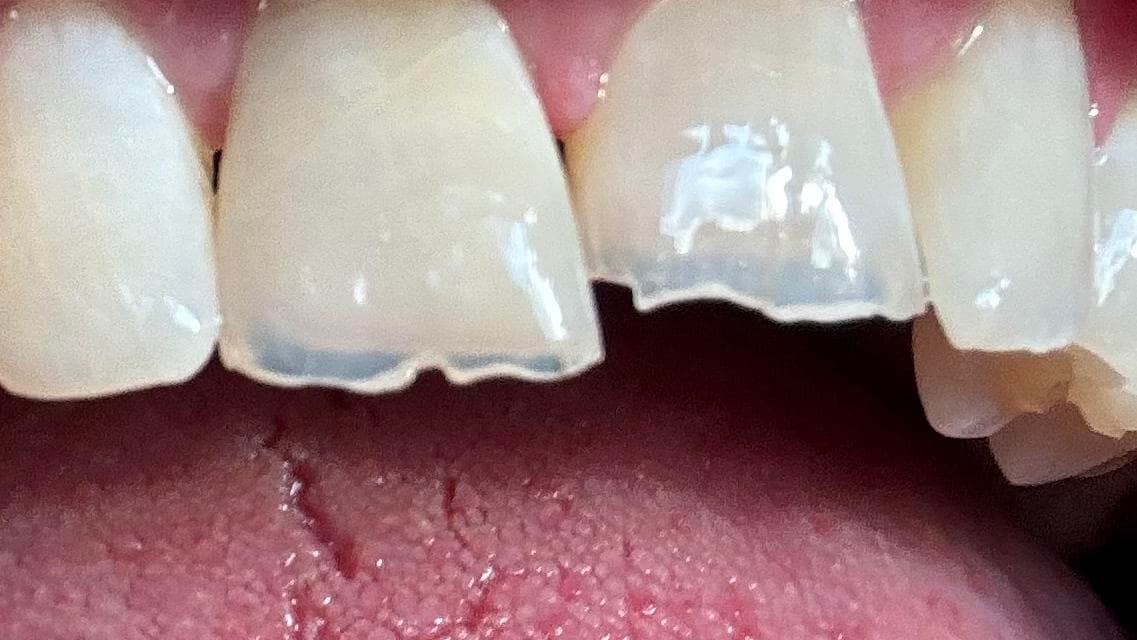
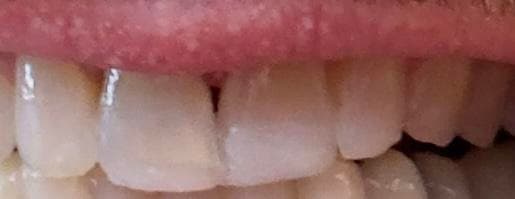
This represents a fraction of what Dr. Meader's dual DMD + CDT credentials make possible. Most dentists would refer this case out — Dr. Meader restored it chairside in one visit.
What Cosmetic Bonding Can Fix
Cosmetic bonding is one of the most versatile tools in cosmetic dentistry. Using the same tooth-colored composite material we use for fillings, Dr. Meader can address a surprising range of aesthetic concerns in a single visit: small chips on front teeth, small gaps between teeth that you don't want to close with orthodontics, discoloration on a single tooth that doesn't match the others, worn or shortened edges from grinding, teeth that are slightly too small or misshapen, and even exposed tooth roots from gum recession.
The best candidates for bonding are patients with small-scale cosmetic issues who want to improve their smile without committing to the cost or tooth preparation of veneers. For bigger transformations — a full smile makeover, significant shade changes, or teeth that need substantial structural work — porcelain veneers or crowns are usually the better choice.
Bonding vs. Porcelain Veneers — Which Is Right for You?
Cosmetic bonding and porcelain veneers often address similar problems, but they're suited to different situations and budgets. Bonding is faster, less expensive, more conservative, and reversible — but it's less durable, more prone to staining, and doesn't look quite as natural as porcelain up close. Veneers are significantly more durable, stain-resistant, and natural-looking, but they cost 3–4x more and require more tooth preparation.
A good rule of thumb: if you're fixing a small chip, a single discolored tooth, or a minor gap, bonding is usually the right call. If you're going after a full smile makeover, addressing major shade concerns, or wanting a long-term investment that'll look spectacular for 15+ years, veneers are worth the upgrade. Dr. Meader will discuss both options honestly at your consultation and help you pick the approach that makes the most sense for your goals and budget.
The Cosmetic Bonding Process at Complete Dental Care
Bonding is unique among cosmetic procedures in that it's almost always completed in a single visit with no lab work and no multiple appointments. Here's the process: Dr. Meader selects a composite shade that matches your natural tooth color (this is where his CDT background really shows — shade matching is what CDTs do for a living). The tooth surface is lightly etched with a conditioning gel to create a good bonding surface. The composite is then applied in thin layers, sculpted into the desired shape, and cured with a blue light. Finally, he polishes the bonding smooth and checks your bite.
Most single-tooth bonding takes 30 to 60 minutes per tooth, and most patients leave the office with the fix completely done. For multi-tooth bonding cases (for example, addressing several worn front edges), the appointment takes longer but is still usually completed in one visit.
How Long Does Dental Bonding Last?
Well-placed bonding typically lasts 5 to 10 years before needing repair or replacement. Lifespan depends heavily on the location in the mouth (bonding on front teeth that don't bear chewing force lasts longer than bonding on edges that hit the opposing teeth), your diet (coffee and red wine stain composite over time), whether you grind your teeth, and whether you avoid habits like biting your fingernails or chewing on pens that stress the bonded edges.
When bonding eventually wears, chips, or stains, it can usually be repaired or refreshed without removing the entire restoration — just adding new material to the worn area. At every cleaning visit, we inspect your bonding for any issues and address them early.
Cost and Insurance for Cosmetic Bonding
Cosmetic bonding at most Columbia practices ranges from roughly $200 to $600 per tooth depending on the complexity and size of the bonding. That's dramatically less than porcelain veneers (which run $1,000–$2,000 per tooth) and is a big part of why bonding is so popular for small-scale cosmetic work.
Purely cosmetic bonding is rarely covered by dental insurance. However, if the bonding is being used to repair a chipped tooth, cover an exposed root, or restore structural damage — rather than purely cosmetic improvement — partial insurance coverage may apply. We verify your specific situation before treatment and provide a written estimate.
Caring for Bonded Teeth
Bonded teeth are cared for exactly like natural teeth: brush twice daily, floss once a day, and keep up with routine cleanings. A few specific habits extend the lifespan of your bonding: avoid biting fingernails, pens, and ice; cut down on very dark staining foods and drinks (coffee, red wine, cola) or rinse afterwards; wear a nightguard if you grind your teeth; and don't use bonded teeth to open packages or bite anything unusually hard.
If you notice a chip, change in color, or anything else unusual, call us — small repairs caught early are a quick fix, while ignored issues may require replacing the entire bonding.
Frequently Asked Questions
How much does cosmetic bonding cost in Columbia, SC?+
Cosmetic bonding at Columbia-area practices typically ranges from $200 to $600 per tooth, depending on complexity and size. That's dramatically less than porcelain veneers (which run $1,000–$2,000 per tooth), making bonding the more affordable choice for small-scale cosmetic work. Purely cosmetic bonding is rarely covered by insurance.
How long does dental bonding last?+
Well-placed bonding typically lasts 5 to 10 years before needing repair or replacement. Lifespan depends on the location (front teeth last longer than edges), your diet, and whether you grind your teeth or have habits that stress the bonded area.
Is getting dental bonding painful?+
For most bonding procedures, no anesthesia is needed at all — the process is completely painless. In cases where some tooth preparation is required, we use local anesthesia for comfort.
Cosmetic bonding or porcelain veneers — which is right for me?+
Bonding is faster, cheaper, more conservative, and reversible — great for small chips, gaps, and single discolored teeth. Veneers are more durable, more stain-resistant, and look more natural — better for full smile makeovers or major shade changes. Dr. Meader will walk you through both options honestly at your consultation.
Can bonded teeth stain over time?+
Yes — composite bonding is more prone to staining than porcelain. Coffee, tea, red wine, cola, and tobacco can gradually discolor the bonded area over several years. Routine cleanings help remove surface stains, and the bonding can be polished or refreshed when needed.
Can dental bonding be removed or replaced?+
Yes — one of the advantages of bonding is that it's usually reversible or easily replaceable. Because little or no enamel is typically removed during the procedure, the underlying tooth is still intact if the bonding needs to be redone or removed entirely.
Is bonding strong enough for front teeth?+
Yes — for most cosmetic corrections on front teeth, bonding holds up well for many years. It's less durable than porcelain veneers but still plenty strong for front-tooth use where biting force is relatively low. For edges that take heavy biting force, Dr. Meader may recommend a more durable option.
How long does a bonding appointment take?+
Single-tooth bonding typically takes 30 to 60 minutes and is completed in a single visit with no lab work. Multi-tooth bonding takes longer but is usually still completed in one visit. You leave the office with the cosmetic fix already done.
Related Services
Cosmetic Bonding for Patients Across the Columbia Midlands
Complete Dental Care provides cosmetic bonding for patients throughout the greater Columbia area. Find your neighborhood below for drive times, landmarks, and directions:
- Cosmetic Bonding near West Columbia, SC
- Cosmetic Bonding near Lexington, SC
- Cosmetic Bonding near Irmo, SC
- Cosmetic Bonding near Forest Acres, SC
- Cosmetic Bonding near Cayce, SC
- Cosmetic Bonding near Shandon, SC
- Cosmetic Bonding near Five Points, SC
- Cosmetic Bonding near The Vista, SC
- Cosmetic Bonding near Northeast Columbia, SC
- Cosmetic Bonding near St. Andrews, SC
- Cosmetic Bonding near Blythewood, SC
- Cosmetic Bonding near Chapin, SC
- Cosmetic Bonding near Elgin, SC
- Cosmetic Bonding on Rosewood Drive
Ready to Get Started?
Book a consultation or call us directly — we'll walk you through your options and provide a written estimate before any work begins.